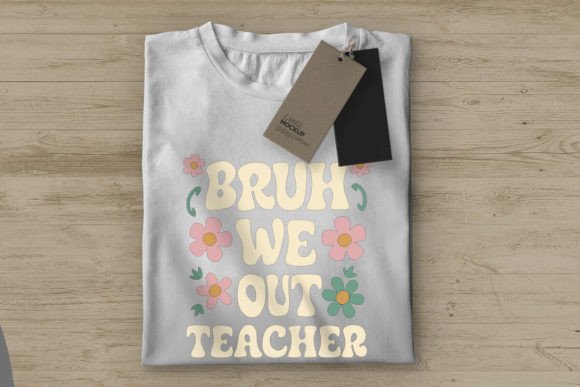
Teacher Coffee Tshirt Design Sublimation Review
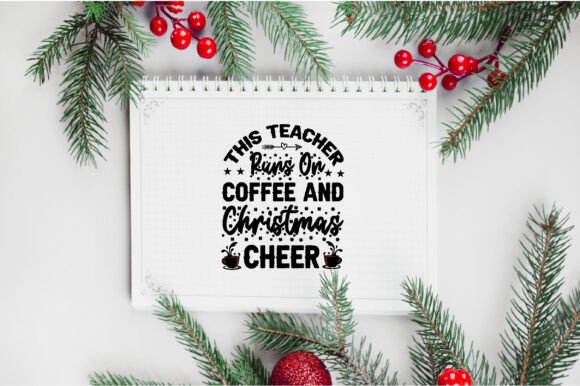
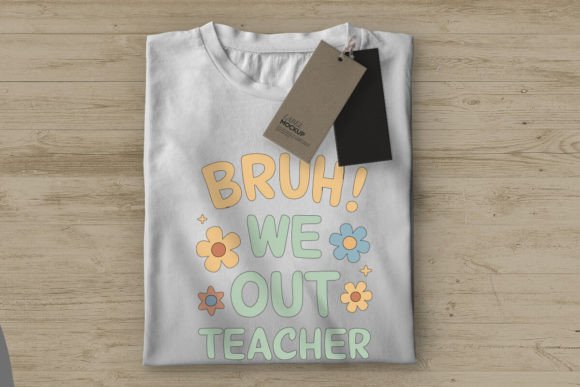
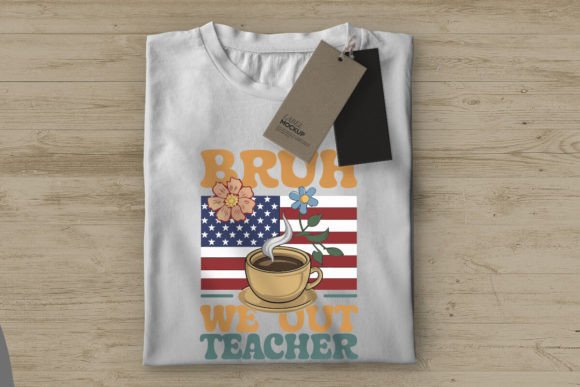
As a professional designer who bridges the gap between digital graphics and physical textiles, I approach every new asset with a critical eye. When evaluating the Teacher Coffee Tshirt Design Sublimation, my first thought isn't just about how it looks on a screen, but how it translates to needle and thread. This graphic set arrives with impressive specifications, including 1 EPS file, 1 SVG file, and 1 PNG file, all rendered at a razor-sharp 4500x5400 resolution at 300 dpi. For those of us in the Crafts industry, this high resolution is the foundation of quality, but the true test lies in application.
First Impressions: Visual Personality and Layout
The initial mood of this design is energetic yet relatable, capturing that specific intersection of educator appreciation and caffeine culture. The layout feels balanced, which is crucial for embroidery. Unlike chaotic clip art that requires heavy editing to become stitchable, this machine embroidery design source appears structured with intention. The visual weight suggests it was created with production in mind, avoiding wispy lines that disappear under tension or overly dense clusters that could pucker lightweight fabrics.
For an Etsy seller or boutique owner, the aesthetic strikes a modern tone. It avoids the dated, cartoonish look of older teacher-themed graphics, leaning instead into a style that appeals to contemporary educators. This matters because your finished product needs to be something a teacher would actually wear outside the classroom. The clarity of the 300 dpi files means that when you import the SVG or EPS into your digitizing software, the edges remain crisp, making auto-digitizing more accurate and manual tracing significantly faster.
Real-World Application: The Sweatshirt Test
To truly judge this asset, I mentally placed it in a real-life scenario: creating a custom crewneck sweatshirt for a school staff appreciation event. In this context, the Teacher Coffee Tshirt Design Sublimation serves as an excellent centerpiece. Because the resolution is high, scaling the design up for a large chest placement on a sweatshirt doesn't result in pixelation or jagged vector nodes.
When converting this graphic into an embroidery file, the distinct elements allow for strategic stitch type assignment. The bolder shapes are perfect candidates for a smooth satin stitch or a textured fill stitch, while finer details can utilize a running stitch for definition without adding excessive bulk. For a sweatshirt embroidery project, this balance is vital. You want the design to be visible and vibrant, but not so dense that it creates a bulletproof patch on a soft garment. The provided PNG also serves as an exceptional reference for thread matching, ensuring your physical output matches the digital proof you show clients.
Navigating Fabric Limitations and Hoop Constraints
While the design is versatile, practical experience dictates caution in certain applications. High-resolution Graphics do not automatically guarantee success on every substrate. If you plan to use this for baby embroidery or delicate tea towels, you must assess the complexity. Intricate coffee steam lines or small text elements within the design may need to be simplified or omitted entirely for tiny hoop sizes. Stitching complex details on stretchy knit fabrics or loose-weave linens often leads to registration issues where outlines fail to meet fill areas.
I strongly advise against using the full-detail version of this design on caps or curved surfaces unless you have specifically redigitized it for that purpose. The flat perspective of the original artwork fights against the curve of a hat, leading to distortion. Similarly, for tote bag design work on unstructured canvas, ensure you use adequate stabilizer. The design’s dynamic nature implies movement, but without proper backing support on unstable fabrics, that movement will just look like puckering. Always consider the fabric texture; a highly textured terry cloth might swallow the finer details of this coffee-themed artwork, requiring a heavier outline or increased stitch density to maintain visibility.
Commercial Viability and Brand Consistency
For the craft business owner, consistency builds trust. Using a high-quality source file like this ensures that your printable mockup looks identical to the embroidered reality. There is nothing worse than selling a personalized gift based on a blurry preview, only to deliver a product that lacks definition. The 4500x5400 resolution allows you to create marketing materials, social media posts, and listing photos that scream professionalism.
Furthermore, this design asset supports various revenue streams. Beyond direct custom apparel sales, the clean vectors make it suitable for creating embroidered patch inventory or even sublimated products if you choose to utilize the PNG for heat transfer rather than stitching. However, always verify licensing. Before listing any digital embroidery file derived from this artwork or selling mass-produced items, confirm that your usage rights cover commercial handmade product sales. Protecting your shop starts with respecting intellectual property.
Designer Notes for Successful Execution
Before you commit this design to a final embroidery project, follow these practical steps to ensure professional results:
- Test on Scrap Fabric: Never run a new design directly on a client’s garment. Test the thread colors and density on a similar fabric scrap first to check for gaps or excessive pull.
- Verify File Compatibility: While EPS and SVG are industry standards, ensure your specific machine or digitizing software imports them correctly. Check node counts and layer organization before stitching.
- Assess Stabilizer Needs: Match your stabilizer to both the fabric and the design density. A tear-away might suffice for a towel, but a cut-away is likely necessary for the stretchy knits typically used in teacher apparel.
- Check Small Details: Zoom in to 100% in your software. If text is smaller than 6mm or lines are thinner than 1pt, they may not stitch out cleanly. Simplify these areas manually.
- Mockup Validation: Use the high-res PNG to create realistic previews. Compare light and dark fabric backgrounds digitally to see if the design needs a white underlay or outline adjustment for contrast.
- Licensing Confirmation: Double-check the terms for commercial embroidery use. Ensure you are cleared to sell both physical goods and potential digital derivatives if that is part of your business model.
Elevating the Handmade Standard
Ultimately, the Teacher Coffee Tshirt Design Sublimation offers a robust starting point for creators. Its technical specs provide the ceiling for quality, but your skill determines the floor. Whether you are producing holiday embroidery gifts for staff parties or building a year-round niche in educator apparel, this asset holds up to scrutiny. It respects the intelligence of the maker and the taste of the wearer.
By treating this graphic not just as a picture, but as a blueprint for textile construction, you elevate your work above generic competitors. The combination of sharp vectors and thoughtful application results in a small shop product that feels premium. Remember, in the world of design assets, resolution is potential, but execution is profit. Take the time to digitize with care, test with patience, and your finished teacher-themed creations will undoubtedly resonate with your audience.