School Librarian Sublimation PNG: A Maker's Review
First Impressions: Visual Personality and Design Mood
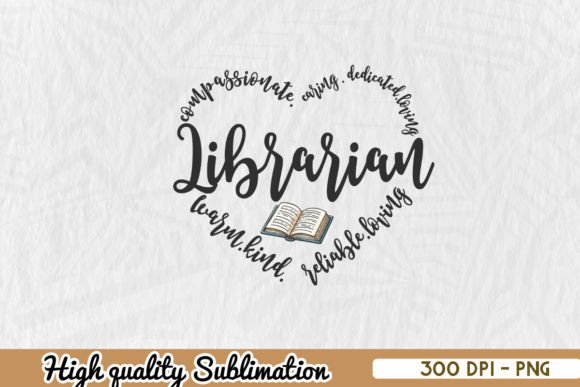
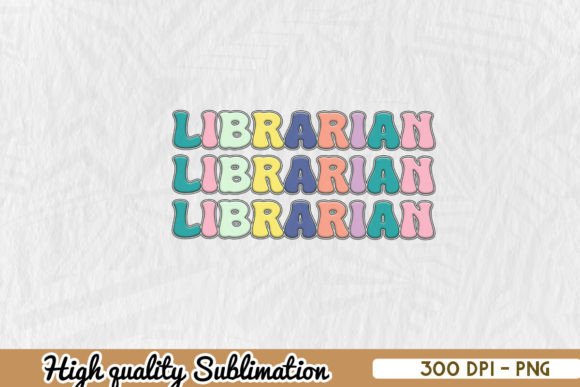
When I first opened the School Librarian Sublimation PNG, I wasn't just looking at a digital asset; I was evaluating a potential bestseller for my craft business. As an experienced designer, my immediate focus is always on how a graphic translates from screen to physical medium. This design captures a specific, nostalgic warmth that resonates deeply with educators and book lovers. The layout feels balanced, avoiding the cluttered aesthetic that often plagues niche graphics in the Crafts category. It possesses a visual personality that is professional yet approachable, making it ideal for personalized gifts or boutique merchandise.
The mood is distinctly academic but playful, striking that difficult balance between institutional and handmade. For an Etsy seller or small shop owner, this emotional connection is vital. Customers aren't just buying a librarian shirt; they are buying recognition of their identity. However, because this is marketed as a sublimation file, I had to critically assess its viability for machine embroidery. While the product description highlights printable iron-on transfers and framing, those of us in the embroidery space know that not every high-quality graphic makes a good stitch file without modification. My review focuses on bridging that gap between digital art and tactile reality.
Real-World Application: The Custom Tote Bag Test
To truly evaluate this asset, I mentally prototyped a project that represents a staple in the handmade market: a heavy-duty canvas tote bag intended as a thank-you gift for a school media specialist. Tote bags are high-visibility items that endure significant wear, making them the perfect stress test for any embroidery project.
In this scenario, the School Librarian Sublimation PNG serves as the central motif. If I were converting this for stitching, I would envision the main text elements rendered in a clean satin stitch to ensure legibility against the textured canvas. Any illustrative elements depicting books or glasses would likely require a fill stitch or potentially an applique design technique to reduce stitch density and prevent the fabric from puckering. The goal here is clarity. On a natural canvas background, thread colors must pop. I can see this design working beautifully with deep navy, burgundy, or forest green threads to evoke a classic library feel.
For commercial embroidery, this application demonstrates value. A finished product like this isn't just a generic item; it’s a specialized tool for the wearer. When customers see a design that fits their specific role so perfectly, trust in your brand increases. They recognize that you understand their niche. Whether you are creating custom apparel, sweatshirt embroidery, or holiday embroidery gifts, the specificity of this graphic drives buyer engagement far better than generic "teacher" designs.
Navigating Fabric Limitations and Technical Constraints
While the aesthetic is strong, practical execution requires caution. Not every surface is friendly to detailed graphics. If you plan to adapt this School Librarian Sublimation PNG for embroidery, you must be mindful of where you place it.
- Textured Fabrics: Canvas and linen are great for totes, but if you attempt this on a terry cloth kitchen towel or a fleece blanket, fine details will get lost. The pile of the fabric can swallow running stitch outlines, making the design look muddy.
- Stretchy Materials: Baby embroidery or lightweight t-shirts present stabilization challenges. Because this design likely contains multiple color changes and detail layers, improper stabilizer use on knit fabrics could lead to registration issues where outlines don't meet fill areas perfectly.
- Curved Surfaces: Cap embroidery is notoriously difficult for rectangular or wide designs. Unless the graphic is specifically digitized for a curved hoop, placing this on a hat might result in distortion at the edges. Always check the aspect ratio before committing to headwear.
- Small Hoop Sizes: Scaling down complex graphics for 4x4 hoops often necessitates removing details. Tiny lettering in this design might need to be simplified or removed entirely to maintain stitch clarity. Never sacrifice readability for size.
Furthermore, consider the end-use care. Items like baby clothes and tea towels require frequent washing. Ensure your stitch density is robust enough to withstand laundering without unraveling, but not so dense that it creates a bulletproof patch that distorts the garment drape.
Elevating Product Value Through Professional Execution
Using high-quality Graphics like this one correctly separates hobbyists from professionals. Visual appeal directly correlates to perceived value. When I review digital embroidery files or source PNGs for conversion, I look for crisp lines that suggest easy digitizing. Blurry edges in a source file usually translate to jagged stitches in the finished product.
For digital product sellers offering printable mockups, this School Librarian Sublimation PNG is versatile. It allows you to showcase potential finished products without stitching every variation. However, transparency is key. If you sell the digital file, clearly state it is a sublimation PNG, not a pre-digitized embroidery file. Misleading customers causes returns and bad reviews. Conversely, if you are selling the physical embroidered item, the cleanliness of your stitch-out serves as your portfolio. Professionalism in presentation—from the choice of thread colors to the neatness of the backside—builds customer trust and encourages repeat business.
Critical Designer Notes Before You Stitch or Sell
Before loading this design into your machine or listing it in your shop, run through this practical checklist. These steps save time, materials, and reputation.
- Verify Licensing: The description mentions creating your own projects, but always confirm if commercial use of the finished product or digital assets is permitted. Protect your craft business by knowing your rights.
- Test on Scrap Fabric: Never stitch a new design directly onto a final product. Use a scrap of the exact same material and stabilizer combination you plan to use. Check for puckering, thread breaks, and alignment.
- Contrast Check: View the design in black and white before stitching. If the values are too similar, the design will disappear on colored fabric. Adjust thread colors to ensure sufficient contrast for visibility.
- Stabilizer Selection: Match your stabilizer to the fabric weight. Cut-away for stretchy knits, tear-away for stable wovens, and wash-away for delicate sheers. The right foundation prevents distortion.
- Mockup Validation: Create a printable mockup using the PNG to gauge scale. Does it look proportional on a sweatshirt versus a mug? Digital previews help catch sizing errors before needle hits fabric.
- Detail Inspection: Zoom in to 100% on the PNG. Are there stray pixels or anti-aliasing artifacts? These can confuse auto-digitizing software. Clean up the image in your graphics editor first for smoother stitch generation.
Ultimately, the School Librarian Sublimation PNG is a promising asset for makers who appreciate niche aesthetics. Its strength lies in its targeted appeal and clean visual hierarchy. By approaching it with a critical eye toward technical execution and fabric compatibility, you can transform a simple digital download into a premium handmade product that delights librarians and strengthens your brand. Remember, great design is only half the battle; masterful execution is what turns a file into a cherished keepsake.