Old School DJ VS New School DJ House Design Review
As a professional embroidery digitizer and product reviewer, I approach every new graphic with a specific question: will this translate from a screen to fabric without losing its soul? When evaluating the Old School DJ VS New School DJ House design, my immediate focus is on how this digital asset performs when converted into a tangible machine embroidery design. While the product description highlights its utility as an SVG for cutting machines like Cricut and Silhouette, experienced makers know that these vector-based graphics often serve as excellent foundations for mixed-media projects or direct digitizing references. This review assesses the design’s viability for real-world embroidery project applications, specifically for those in the craft business or Etsy seller community looking to expand their music-themed inventory.
Visual Personality and First Impressions
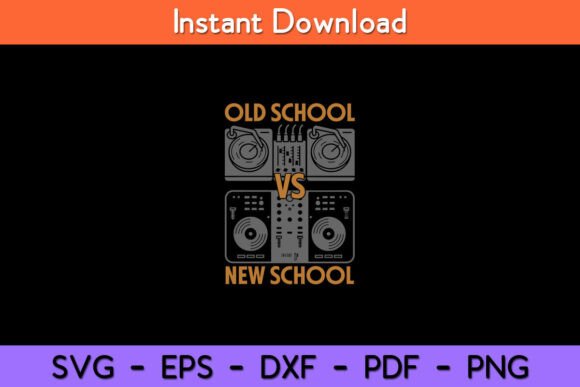
The first thing that strikes me about Old School DJ VS New School DJ House is the inherent narrative tension. It isn't just a static icon; it tells a story of musical evolution. For a designer, this duality is gold. The layout likely contrasts vintage turntables or analog gear against modern controllers or laptops, creating a visual balance that is pleasing to the eye. In terms of mood, it feels nostalgic yet current, making it highly relevant for a wide demographic ranging from Gen X vinyl collectors to Gen Z house music enthusiasts.
From a technical graphics perspective, the separation between "Old School" and "New School" elements suggests distinct zones. This is crucial for embroidery. If you are using this as a base for a custom applique design, the clear delineation allows you to use different fabric textures to represent each era—perhaps a corduroy or denim for the old school side and a sleek metallic or neoprene for the new school side. This thoughtful use of fabric texture can elevate a simple graphic into a premium handmade product.
Real-World Application: The Festival Tote Bag Test
To truly judge this design, I mentally placed it onto a specific project: a heavy-duty canvas tote bag intended for a summer music festival boutique. Tote bags are high-traffic items that face wear, washing, and sun exposure. They require designs that are bold enough to be seen from a distance but detailed enough to justify a higher price point.
In this scenario, Old School DJ VS New School DJ House shines because of its thematic versatility. A plain tote is a commodity; a tote featuring this specific cultural commentary is a conversation starter. For an Etsy seller, this distinction drives engagement. When stitching this onto canvas, I would recommend utilizing a combination of fill stitch for the larger silhouettes and satin stitch borders to define the edges against the coarse weave of the bag. The contrast between the two DJ styles provides a natural opportunity for color blocking, allowing customers to choose thread colors that match their personal aesthetic or festival outfit.
Furthermore, this design works exceptionally well for custom apparel. Imagine this centered on the back of a heavyweight sweatshirt. The horizontal orientation typical of "VS" layouts fits perfectly across the shoulder blades or upper chest. For sweatshirt embroidery, the design needs enough density to prevent the fleece texture from poking through, but not so much that it creates a bulletproof vest effect. The graphic nature of this DJ theme allows for strategic open areas, keeping the garment comfortable while maintaining visual impact.
Navigating Technical Constraints and Fabric Choices
While the concept is strong, practical execution requires caution. As a digital cutting file, the lines are clean, but embroidery introduces physical variables. Here is where I advise fellow makers to pause and plan:
- Small Details and Lettering: If the design includes intricate text distinguishing the eras, verify the size. Tiny lettering often gets lost in embroidery unless specifically digitized for micro-text. If the text is too small for your hoop size, consider replacing it with symbols or enlarging the design.
- Stretchy Fabrics: House music culture often intersects with performance wear. If applying this to stretchy jersey or spandex, you must use appropriate stabilizer. A cut-away stabilizer is non-negotiable here to prevent puckering around the dense stitch areas of the DJ equipment.
- Curved Surfaces: Caps are popular merchandise, but the "VS" layout might be too wide for a standard curved brim. Always test the aspect ratio. You may need to stack the elements vertically rather than horizontally for headwear.
- Dark vs. Light Fabrics: High-contrast designs rely on thread colors popping against the background. On black fabric, ensure your outline stitches are light enough to define the shape. On white fabric, dark outlines are essential. Test both before committing to a production run.
Commercial Viability and Brand Consistency
For creative entrepreneurs, the value of Old School DJ VS New School DJ House extends beyond a single sale. It serves as a versatile asset for brand building. Because it bridges two generations of music lovers, it broadens your potential customer base. An embroidered patch featuring this design could appeal to record stores, DJ schools, or vintage clothing shops looking for branded merchandise.
However, professionalism dictates due diligence. Since this is marketed primarily as an SVG for cutting machines, you must confirm the licensing terms regarding embroidery use. Does the license cover commercial embroidery? Can you sell the finished physical products? Never assume. Protecting your business means respecting intellectual property. Additionally, if you are digitizing this yourself from the SVG, ensure you are creating original stitch files rather than auto-digitizing, which often yields poor results on complex graphics.
When listing this as a small shop product, presentation matters. Use printable mockup templates to show the design on various items before you stitch them all. Show it on a baby onesie for the "future DJ" niche, and on an apron for the home-studio chef. Demonstrating this range helps buyers visualize the end result, increasing conversion rates.
Essential Designer Notes for Success
Before you hoop up and start stitching, run through this practical checklist to ensure your finished product meets professional standards:
- Test Stitch is Mandatory: Never run this design directly onto a final product without a test on similar scrap fabric. Check for registration issues between the old and new school elements.
- Evaluate Stitch Density: If converting from SVG, adjust density based on fabric weight. Canvas needs less density than t-shirt knit to avoid distortion.
- Thread Contrast Check: View your thread selection in black and white mode on your machine screen. If the values are too similar, the design will look muddy.
- Verify Hoop Compatibility: Ensure the design dimensions fit comfortably within your machine’s maximum embroidery area with adequate margin for hooping.
- Licensing Confirmation: Double-check that your purchase includes rights for the specific commercial application you intend, whether selling physical goods or digital files.
Ultimately, Old School DJ VS New School DJ House represents more than just a trendy graphic; it is a culturally resonant motif that, when executed correctly, adds significant perceived value to handmade goods. Whether you are crafting a personalized gift for a music lover or stocking your online store with unique design assets, treating this file with the respect due to a professional embroidery pattern will yield the best results. By understanding the interplay between digital vectors and physical thread, you transform a simple download into a lasting piece of wearable art that celebrates the past and future of house music.