Lucky Teacher St. Patrick's Sublimation Review
As a designer who constantly bridges the gap between digital graphics and tangible textiles, I approach every new asset with a critical eye. When evaluating the Lucky Teacher St. Patrick s Sublimation file, my first thought isn't just about how pretty it looks on a screen, but how it will translate when thread hits fabric or ink bonds to polyester. This design sits squarely in the intersection of Crafts and Graphics, offering a vibrant aesthetic that screams spring classroom energy. However, for those of us running a craft business or managing an Etsy shop, the true test is production viability. Does this design hold up when moved from a digital mockup to a physical sweatshirt embroidery project or a custom tote bag? My assessment suggests it has strong potential, provided you understand its specific strengths and limitations in a real-world manufacturing environment.
Visual Personality and First Impressions
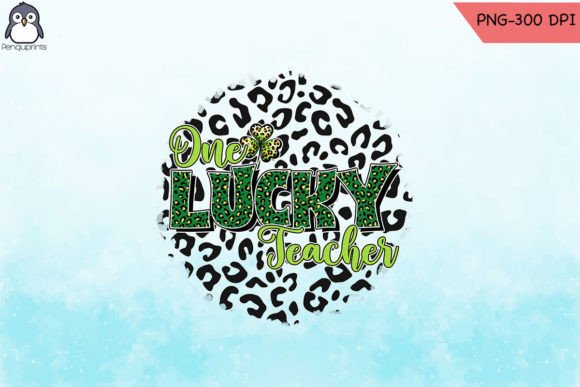
The immediate mood of this Lucky Teacher St. Patrick s Sublimation design is cheerful, nostalgic, and distinctly scholastic. It captures that specific "teacher appreciation" vibe that sells incredibly well in February and March. Visually, the layout feels balanced, which is crucial for both sublimation printing and machine embroidery adaptation. The graphic elements appear bold enough to withstand the translation process without losing definition. For a handmade product creator, this visual clarity is essential. Customers browsing digital product previews need to instantly recognize the theme, and this design delivers that recognition quickly.
From a professional standpoint, the artwork avoids overly intricate gradients that often cause banding issues in sublimation or excessive color changes in embroidery digitizing. The shapes are distinct, suggesting that if you were to convert this into an applique design or use it as a guide for satin stitch borders, the edges would remain crisp. This makes it a versatile asset for creative entrepreneurs who want to offer multiple product variations from a single source file. It feels less like generic clip art and more like a curated piece of boutique branding ready for commercial embroidery or personalized gifts.
Real-World Application: The Classroom Tote Bag Test
To truly judge this asset, I mentally placed it into a current client scenario: creating a batch of personalized canvas tote bags for a local elementary school’s staff appreciation week. Teachers love functional items, and a tote bag is a staple. Using the Lucky Teacher St. Patrick s Sublimation design here presents two distinct paths. If using sublimation, you would need a poly-coated canvas or a white polyester blend to get those signature greens and golds to pop. The design’s high contrast would look fantastic against a white background, making the text legible from a distance.
However, if adapting this for traditional machine embroidery on natural cotton canvas, the strategy shifts. Cotton doesn't accept sublimation ink, so you would be digitizing this graphic. The bold lines of the Lucky Teacher St. Patrick s Sublimation file make it an excellent candidate for a combination of fill stitch backgrounds and running stitch details. In this tote bag scenario, I can visualize the design centered on the front panel, perhaps framed by a simple shamrock border. The key here is scale. On a tote bag, you have ample hoop size availability, allowing the design to breathe. This application highlights the design's strength as a centerpiece for custom apparel and accessories, proving its value for small shop products aimed at the education niche.
Navigating Fabric Textures and Technical Constraints
While the design is visually appealing, practical execution requires caution regarding fabric texture and garment type. Sublimation relies entirely on synthetic fibers. If you attempt to use this Lucky Teacher St. Patrick s Sublimation file on a dark, 100% cotton t-shirt without modification, you will be disappointed. The colors will wash out or fail to transfer. For dark fabrics, this design serves better as a template for creating a white-layered heat transfer vinyl (HTV) project or being re-digitized specifically for thread.
Furthermore, consider the stabilizer requirements if you are stitching this out. Detailed graphics often tempt embroiderers to increase stitch density to capture every pixel, but this can lead to puckering on lighter fabrics like baby clothes or thin tea towels. If adapting this for baby embroidery, you must simplify the design. Reduce the stitch count and opt for lighter fill stitches to maintain the garment's drape. Always test on scrap fabric first. I recommend checking thread color contrast against your chosen material before committing to a full run. A design that looks vibrant on a monitor might appear muddy on heather gray sweatshirt fleece. Verify that your thread colors match the intended vibrancy of the original digital file to maintain brand consistency and customer trust.
Commercial Viability for Sellers and Makers
For Etsy sellers and digital product sellers, the versatility of this Lucky Teacher St. Patrick s Sublimation file is a major asset. It works exceptionally well for printable mockups, allowing you to showcase potential finished products without stitching every variation. This saves time and overhead while still engaging buyers. However, professionalism dictates that you verify licensing terms before listing. Ensure you have the right to sell finished physical items versus digital files. Confusion here can damage your reputation.
In terms of marketability, holiday embroidery designs featuring teachers perform best when they feel personal rather than mass-produced. Use this design as a base for personalized gifts by adding individual names or school mascots. This customization increases perceived value significantly. Whether you are making embroidered patches for backpacks or framing a masterpiece for a retiring educator, the design’s clean lines support easy editing. Just remember to inspect small details; tiny text elements in the original graphic may need to be enlarged or removed to prevent needle breaks or illegible stitching in smaller hoop sizes.
Designer Notes for Successful Execution
Before you load this file into your software or printer, run through this practical checklist derived from years of production experience:
- Verify File Compatibility: Confirm the resolution and format suit your specific workflow, whether that is direct-to-garment printing, sublimation, or digitizing software.
- Test Contrast: Print or stitch a swatch on your actual production fabric. Colors shift between screen and substrate.
- Check Licensing: Re-read the terms for the Lucky Teacher St. Patrick s Sublimation file to confirm if commercial use of finished products is permitted.
- Stabilizer Selection: Match your backing to the fabric weight. Stretchy knits require cut-away stabilizer to prevent distortion of the design shape.
- Simplify for Small Hoops: If working with caps or sleeves, reduce detail. Complex graphics rarely survive scaling down below three inches without losing integrity.
- Mockup Accuracy: When creating listings, use realistic shadows and fabric textures in your digital previews to set accurate buyer expectations.
Ultimately, the Lucky Teacher St. Patrick s Sublimation design is a robust starting point for seasonal inventory. It balances festive charm with structural simplicity, making it accessible for hobbyists yet reliable for commercial embroidery businesses. By respecting the technical realities of your chosen medium—whether ink or thread—you can transform this digital graphic into a high-quality finished product that celebrates educators with style and durability. Always prioritize testing over speed, and your results will reflect the professional standard your customers expect.