In My Grad School Era: Retro Design Review
As a designer who has spent years digitizing and reviewing machine embroidery design files for commercial and personal use, I approach every new graphic with a specific question: will this actually stitch out well on fabric? When evaluating In My Grad School Era Retro Graduation, my assessment goes far beyond the screen. While the product description highlights its utility as a digital item with 11 files in one Zip folder—including SVG, DXF, PDF, and PNG formats at 300 dpi—my focus is on how these Graphics translate into tangible Crafts. For Etsy sellers, apparel decorators, and makers, understanding the practical application of this retro aesthetic is crucial before committing thread to fabric.
Capturing the Retro Academic Aesthetic
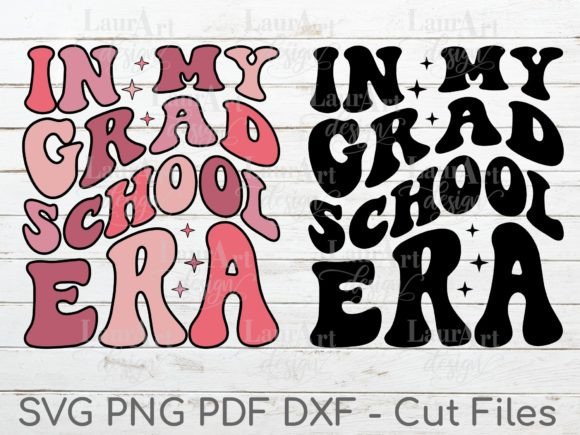
The first impression of In My Grad School Era Retro Graduation is distinctly nostalgic yet current. The "Era" trend has dominated social media and merchandise for some time, but combining it with graduate school milestones creates a niche that feels both celebratory and relatable. Visually, the layout suggests bold typography and vintage-inspired shapes, which are hallmarks of successful retro embroidery. As a reviewer, I look for clean lines and distinct color blocks in vector files like SVG and DXF because they typically indicate a design that has been created with intentionality. This mood works exceptionally well for custom apparel and sweatshirt embroidery, where the goal is to create a garment that feels like a cherished vintage find rather than a stiff, modern uniform.
For creative entrepreneurs and small shop products, this visual personality drives buyer engagement. Customers aren't just buying a graduation gift; they are buying an identity marker. The retro vibe softens the academic rigor associated with grad school, making it perfect for cozy items like blanket embroidery or nursery decor for the student-parent balancing degrees and family life. However, the success of this aesthetic relies entirely on execution. A retro design loses its charm if the stitch density is too high or the lettering becomes illegible after washing.
Real-World Application: Stitching the Graduate Tote
To truly evaluate In My Grad School Era Retro Graduation, let’s apply it to a real-life scenario: creating a personalized gift tote bag for a master’s degree recipient. Tote bags are a staple handmade product, but canvas can be unforgiving. In this case, I would utilize the SVG file for vector editing programs to potentially resize or adjust elements before digitizing or sending to the machine. The high-resolution PNG at 300 dpi serves as an excellent reference for thread colors and placement, ensuring the final embroidered patch or direct embroidery matches the original artistic vision.
When stitching this design on a natural canvas tote, the retro elements likely require a mix of satin stitch for outlines and fill stitch for solid areas. If the design includes distressed textures common in retro graphics, I would advise checking whether those are true stitch paths or merely visual effects in the PNG. True embroidery requires actual stitch data. Assuming the design is optimized for stitching, the result should be a textured, tactile finish that elevates the tote bag design from generic to boutique-quality. This level of detail builds customer trust and justifies a higher price point for finished products in a craft business.
Navigating Fabric Limitations and Hoop Sizes
While In My Grad School Era Retro Graduation offers versatility, experienced makers know that not all fabrics behave equally. Where should you use caution? Stretchy fabrics like jersey knits used in t-shirts or baby clothes present challenges for detailed retro typography. If the design features intricate serifs or thin connecting lines, the fabric stretch can distort the registration. In these cases, using a cut-away stabilizer is non-negotiable to maintain the integrity of the embroidery file.
Furthermore, consider the hoop size relative to the design's complexity. Retro designs often rely on negative space and balanced proportions. Shrinking In My Grad School Era Retro Graduation down to fit a 4x4 hoop for a baby embroidery project might cause small lettering to merge or satin stitches to become too narrow, leading to thread breaks or poor coverage. Conversely, enlarging it for a large jacket back requires verifying that the stitch density scales appropriately. Always inspect small details and test on scrap fabric first. Dark fabrics also demand attention; ensure your thread colors provide sufficient contrast against black or navy sweatshirts, as retro palettes can sometimes be muted. Testing in black and white mockups before stitching helps predict visibility issues.
Commercial Viability for Makers and Sellers
For Etsy sellers and digital product sellers, In My Grad School Era Retro Graduation represents more than just a pretty picture; it is a commercial asset. The inclusion of multiple formats (SVG, DXF, PDF, PNG) makes it highly valuable for mixed-media businesses. You might use the PNG for printable mockups to list a pre-order sweatshirt without having to stitch a sample first, saving time and materials. The SVG and DXF files allow for customization in vector editing programs, enabling you to add specific names or graduation years, which significantly increases the value of personalized gifts.
However, professionalism dictates due diligence. Before listing any finished product or digital derivative, confirm the licensing terms included in the Zip folder. Just because a file is editable does not always mean it is cleared for unlimited commercial embroidery or resale as a digital embroidery file. Respecting intellectual property protects your shop and maintains industry standards. Additionally, brand consistency matters. If your shop specializes in minimalist line art, a bold retro grad design might feel out of place unless positioned as a special seasonal collection. Cohesion in your catalog helps buyers recognize your unique style.
Essential Designer Notes for Success
Based on my review of similar assets and the specifications provided, here are practical notes for using In My Grad School Era Retro Graduation effectively:
- Verify Compatibility: While SVG is noted for vector editing programs, ensure your specific embroidery software supports the import method you intend to use. Not all software handles DXF curves identically.
- Test Stitch Density: Retro styles can vary wildly in density. Run a test stitch-out on the exact fabric you plan to sell. If the design feels bulletproof or stiff, you may need to adjust the underlay or reduce density in your digitizing software.
- Color Matching: Use the 300 dpi PNG as a color map. Retro colors often have specific undertones. Compare your physical thread chart against the digital file under natural light to avoid mismatched hues in the final handmade product.
- Stabilizer Selection: Match the stabilizer to the end-use. Holiday embroidery on tea towels needs wash-away backing, while commercial embroidery on caps requires firm tear-away or specialized cap backing.
- Mockup Strategy: Utilize the high-res PNG to create realistic digital previews. Show the design on different colored backgrounds to demonstrate versatility to potential buyers, but always include a photo of a real stitch-out to manage expectations regarding texture and sheen.
- Detail Inspection: Zoom in on the vector nodes. Smooth curves stitch better than jagged auto-traced lines. If the SVG requires cleanup, do it before digitizing to prevent unnecessary jump stitches.
Ultimately, In My Grad School Era Retro Graduation holds significant promise for the embroidery community. Its multi-format delivery supports a wide workflow, from digital planning to physical creation. By approaching this design with a critical eye toward fabric behavior, stabilization, and commercial application, makers can transform a digital zip folder into profitable, professional-grade merchandise. Whether you are crafting a sentimental gift or stocking your shop for graduation season, success lies in the thoughtful intersection of digital assets and textile reality. Always prioritize testing and quality control to ensure your finished product honors both the design and the recipient's milestone.