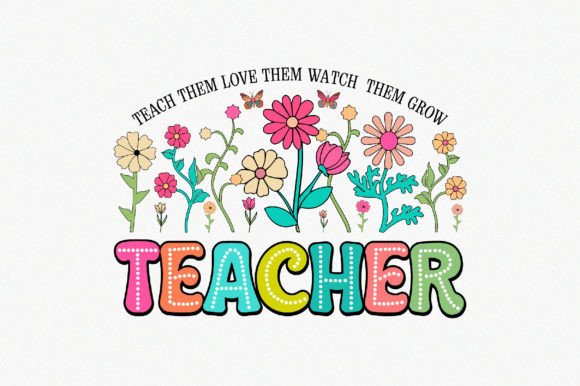
Retro Teacher PNG Sublimation1: An Embroidery Review
As a professional embroidery designer and product reviewer, I approach every new graphic asset with a specific question: will this actually translate to thread? When evaluating Retro Teacher PNG Sublimation1, my initial assessment focuses on its potential as a versatile machine embroidery design source rather than just a print file. While the product description highlights its readiness for sublimation on sweaters, mugs, and pillows, experienced makers know that high-resolution graphics are often the best starting point for digitizing custom embroidery projects. This review breaks down how this specific retro aesthetic performs when adapted for needle and thread in a real-world studio environment.
First Impressions and Retro Aesthetic Translation
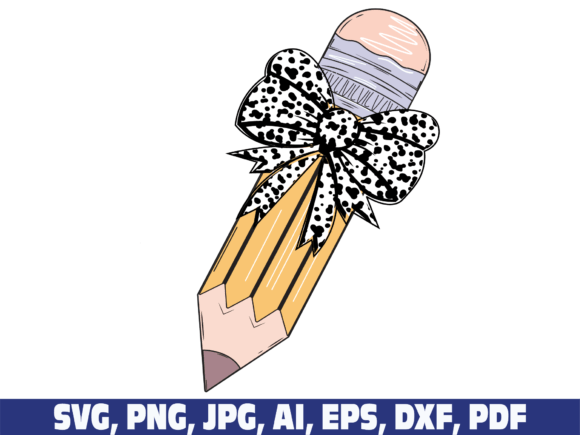
The visual personality of Retro Teacher PNG Sublimation1 immediately suggests warmth, nostalgia, and approachability. For those of us in the Crafts industry, retro themes are currently dominating the market, but they can be tricky to stitch. The layout appears balanced for apparel, which is crucial. When I look at this graphic, I am not seeing a flat image; I am mentally separating it into layers. The bold shapes typical of retro teacher designs usually lend themselves beautifully to an applique design structure. Instead of thousands of dense fill stitches that can make a garment stiff and heavy, the large color blocks in this style allow for fabric layering, reducing stitch count while increasing texture and visual interest.
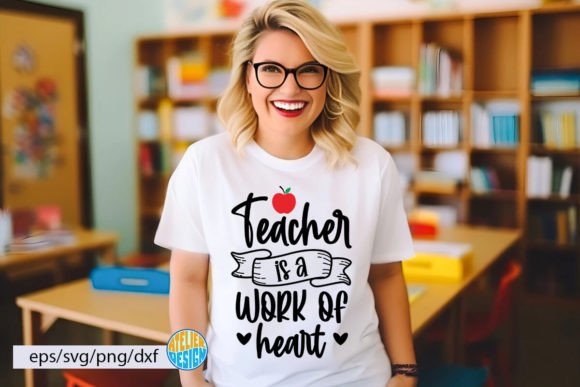
The mood created by this design is distinctly friendly and professional without being sterile. It feels like something that belongs on a boutique-quality sweatshirt or a personalized tote bag for a school event. As a digital asset, the 4500×5400 resolution at 300 dpi provides ample detail for tracing in embroidery software. This clarity is essential because blurry edges in a source file lead to jagged satin columns and uncertain placement lines during the digitizing process. Having a crisp PNG ensures that when you create your embroidery file, the registration marks and trim lines are precise.
Real-World Application: The Custom Sweatshirt Test
To truly evaluate this asset, I considered a recent client request for a batch of custom crewneck sweatshirts for a retiring educator. This scenario is perfect for testing Retro Teacher PNG Sublimation1. Sweatshirt fleece is thick and has a nap, which can swallow fine details. If I were using this design for that project, I would avoid tiny running stitch text or intricate shading gradients. Instead, I would utilize the EPS or PDF vector files included in the package to create clean, bold outlines suitable for a satin stitch border around major elements.
In this real-life application, the design serves as a centerpiece for sweatshirt embroidery. The retro color palette translates well to standard rayon or polyester thread colors, meaning you likely won't need to order specialty shades. For a handmade product intended as a retirement gift, the goal is durability and comfort. By adapting this graphic into an applique format using the provided high-res assets, the finished chest logo remains soft against the skin rather than feeling like a bulletproof vest. This practical adaptation increases the perceived value of the item. Customers appreciate when a design looks intentional for embroidery rather than just stamped onto fabric.
Furthermore, this design works exceptionally well for secondary merchandise. After completing the sweatshirts, the same digitized version could be resized for an embroidered patch to go on a canvas tote bag. The versatility of the source art allows a small shop owner to create a cohesive collection across different products without purchasing multiple assets. This efficiency is vital for maintaining margins in a craft business.
Navigating Fabric Limitations and Hoop Constraints
While Retro Teacher PNG Sublimation1 is visually appealing, caution is required when moving from screen to hoop. Not all fabrics handle retro-style density equally. I would advise against using complex versions of this design on thin, stretchy knits like lightweight baby onesies unless significant stabilization is used. The weight of the thread can distort delicate fabrics. For baby embroidery, simplify the design to outline-only or minimal fill stitch areas to maintain the garment's drape and safety.
Hoop size is another critical factor. The aspect ratio of the original PNG is tall (4500×5400). If you attempt to stitch this at full scale on a standard 4x4 hoop, you will lose significant detail or face excessive re-hooping. Always confirm your machine’s maximum field size before committing to a layout. For larger formats like pillow covers or blankets, the design shines. However, for curved surfaces like caps, the vertical orientation may require restructuring. Caps have limited vertical stitching space, and pushing a tall design too far up toward the crown seam results in needle deflection and poor registration.
Textured fabrics like terry cloth towels or boucle also present challenges. If using this design for kitchen towels or holiday embroidery on textured items, you must use a water-soluble topping to prevent the stitches from sinking into the pile. Without this step, the retro details will disappear into the fabric texture, wasting time and thread. Always test on scrap fabric first. A five-minute test stitch-out saves hours of frustration and prevents ruining expensive blanks.
Professional Presentation and Commercial Viability
For Etsy sellers and creative entrepreneurs, presentation is everything. Retro Teacher PNG Sublimation1 offers distinct advantages for marketing finished goods. Because the source file is transparent and high-resolution, it is ideal for creating accurate printable mockups. Before you even thread a needle, you can place the design over a photo of a blank hoodie to gauge customer interest or get client approval. This reduces waste and streamlines the custom order process.
When selling physical items derived from this graphic, the professionalism of the stitch-out directly impacts buyer trust. Clean trims, proper stabilizer selection, and appropriate stitch density signal quality. If the design is too dense, it causes puckering; if too sparse, gaps appear. Using the vector EPS file helps in creating optimized paths that minimize jump stitches and trims. This attention to technical detail separates hobbyist work from professional commercial embroidery.
Licensing is the final, non-negotiable check. Before listing any finished product or digital derivative for sale, verify the specific commercial terms associated with this asset. Just because a file is high-quality does not automatically grant unlimited resale rights for digitized versions. Respecting intellectual property protects your shop from takedowns and builds long-term sustainability. Always document your license terms alongside your project files.
Designer Notes for Successful Execution
To maximize the potential of Retro Teacher PNG Sublimation1 in your studio, keep these practical guidelines in mind:
- Verify File Integrity: Although the listing mentions PNG, EPS, and PDF formats, always open the vectors in your embroidery software to ensure nodes are clean and paths are closed before auto-digitizing.
- Contrast Testing: View the design in grayscale before assigning thread colors. Retro palettes sometimes have low contrast between adjacent shades, which can look muddy in thread. Adjust values to ensure definition.
- Stabilizer Strategy: Match your backing to the fabric weight. Use cut-away for knits and tear-away for wovens. Never rely solely on spray adhesive for large designs; mechanical hooping stability is superior.
- Scale Appropriately: Do not force a large design into a small hoop by shrinking it excessively. Tiny lettering and thin satin columns do not stitch well below certain thresholds. Resize responsibly or edit out small details.
- Mockup Validation: Use the transparent PNG to create realistic previews for clients. Show them exactly what the placement will look like relative to seams and pockets before production begins.
- Wash Testing: If creating items for frequent washing like aprons or tea towels, perform a wash test on your sample. Ensure the stitch density holds up and the applique edges remain secure after laundering.
Ultimately, Retro Teacher PNG Sublimation1 is a robust foundation for both print and stitch applications. Its strength lies in its adaptability. Whether you are producing a single personalized gift or a line of commercial apparel, treating this graphic as a flexible blueprint rather than a rigid template will yield the best results. Success in embroidery comes from understanding how digital pixels transform into physical texture. With careful planning, proper stabilization, and respect for the medium, this design can become a staple in your creative toolkit, delivering charm and quality to every finished product.