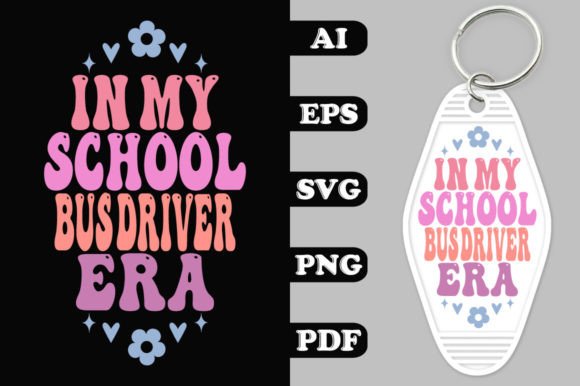
In My School Bus Driver Era Groovy Key Review
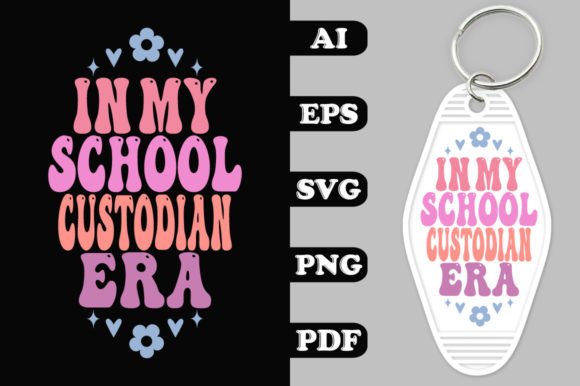
As a professional embroidery designer and product reviewer, I approach every new graphic with a specific question: will this actually stitch out cleanly on a finished product? When evaluating the In My School Bus Driver Era Groovy Key, my immediate focus is on how this retro-inspired aesthetic translates from a digital screen to physical thread. This design taps into a very specific nostalgia, blending the current "era" trend with vintage motel key visuals. For crafters and small business owners, this intersection of trends is valuable, but only if the execution holds up under the needle.
The visual personality of this design is undeniably fun. It carries a sarcastic yet affectionate tone that resonates deeply with school bus drivers who have a sense of humor about their chaotic daily routines. From a design perspective, the groovy typography and key shape offer a distinct silhouette. However, before loading this embroidery file into your machine, it is crucial to understand how these retro elements behave in a real-world production environment. This review breaks down the practical realities of using this asset for commercial and personal projects.
Real-World Application: The Custom Tote Bag Test
To truly evaluate this design, I mentally placed it in a scenario familiar to many Etsy sellers and apparel decorators: creating a custom canvas tote bag as an end-of-year gift for a bus driver. Canvas is a fantastic medium for this type of tote bag design because its sturdy weave supports detailed graphics without excessive puckering. In this context, the In My School Bus Driver Era Groovy Key serves as more than just decoration; it acts as a badge of honor.
When stitching this onto natural canvas, the retro color palette needs to pop against the beige background. I envision using warm mustard yellows, burnt oranges, and muted teals to maintain that authentic 70s vibe. The key shape itself provides a natural boundary for the design, which helps with centering and placement. For a personalized gift, this layout allows you to potentially add a name or year below the key without disrupting the main graphic. The sarcasm in the text transforms a standard utility item into a conversation piece, increasing the perceived value of the handmade product. Customers aren't just buying a bag; they are buying recognition of their hard work wrapped in a trendy, nostalgic package.
Fabric Considerations and Stitch Integrity
While the design shines on stable fabrics like canvas or denim, you must exercise caution when applying it to other materials common in custom apparel and sweatshirt embroidery. The intricate details typical of groovy fonts and retro key textures can be unforgiving on unstable surfaces.
- Stretchy Knits: If you are placing this on a t-shirt or lightweight sweatshirt, the stitch density becomes a critical factor. Retro designs often feature fill stitches that can become too heavy for thin knits, leading to fabric distortion or holes. Always use a high-quality cut-away stabilizer and consider floating the garment if the hoop marks might be permanent.
- Textured Fabrics: On towels or fleece, the fine lines of the keychain graphic may get lost. You may need to adjust the underlay or increase column widths in your digitizing software to ensure the design sits on top of the pile rather than sinking into it.
- Dark Backgrounds: This design likely relies on specific color blocking. If switching to black or navy fabric, verify that the thread colors provide enough contrast. A dark grey outline on a black shirt will disappear, ruining the definition of the key shape.
For those considering this for baby embroidery or nursery decor, be mindful of texture. While the theme is school-related, if adapted for a child’s item, ensure the back of the embroidery is smooth or covered to prevent skin irritation. The dense areas required to create the solid look of a vintage key can feel stiff against delicate skin.
Navigating Small Details and Hoop Limitations
One of the most common pitfalls with novelty graphics is resizing. The In My School Bus Driver Era Groovy Key has a specific aspect ratio that mimics a physical object. Drastically reducing the size to fit a 4x4 hoop size or a cap frame can compromise legibility. Groovy fonts often have varying stroke widths; when scaled down, the thinner parts of the letters may turn into running stitches that lack visual weight, while the thicker parts remain dense satin columns.
If you plan to use this for embroidered patch production or hat embroidery, check the smallest text elements first. Caps present a unique challenge due to their curved surface and seams. Center alignment is non-negotiable here. I recommend testing the design on a scrap cap or similar curved surface before committing to a full production run. For patches, ensure the border stitch integrates well with the key shape so the merrowed edge doesn't clip off essential design elements.
Always verify the licensing terms included with your digital embroidery file. Some designers allow for finished products but restrict the sale of the digital assets themselves. As a craft business owner, protecting your shop means respecting these boundaries. Confirm whether the license covers commercial embroidery for unlimited sales or if there is a cap on production quantity.
Enhancing Product Value and Customer Trust
Beyond the technical stitching, we must consider marketability. How does this design affect buyer engagement? In the crowded marketplace of teacher and driver appreciation gifts, specificity wins. Generic "Best Driver Ever" designs are plentiful, but "In My School Bus Driver Era" speaks a current cultural language. Using this machine embroidery design signals to your customers that your shop is current and culturally aware.
This relevance builds trust. When a customer sees a design that perfectly captures their specific niche humor, they assume the rest of your small shop product line is equally thoughtful. This extends to your marketing materials. Creating a printable mockup or digital preview using this graphic can drive sales even before you stitch a single sample. However, ensure your mockups accurately represent the stitch texture. Overly polished vector previews can lead to disappointment if the actual finished product looks significantly different. Transparency about the handmade nature of the item manages expectations and reduces returns.
Essential Designer Notes Before You Stitch
To ensure success with the In My School Bus Driver Era Groovy Key, follow this practical checklist derived from professional experience:
- Run a Sew-Out Test: Never skip this step, especially on new fabric types. Check for registration issues between the key outline and the internal text.
- Evaluate Thread Contrast: Print a black and white version of the design to test value contrast. If the design looks muddy in grayscale, it will lack definition in thread.
- Check Stabilizer Pairing: Match your stabilizer to the fabric weight, not just the design density. A tear-away might suffice for canvas, but knit requires cut-away.
- Inspect Lettering Clarity: After stitching, measure the text height. If letters are under 6mm, they may be illegible. Resize or choose a simpler font variation if necessary.
- Verify File Compatibility: Ensure your machine reads the specific format provided. While most modern machines handle standard formats, older models may require conversion that alters stitch paths.
- Review Licensing: Double-check if the design assets permit modification. If you need to change the text for a specific client, ensure the original license allows derivative works.
Ultimately, the In My School Bus Driver Era Groovy Key is a versatile asset for the creative entrepreneur. Whether you are making holiday embroidery for staff parties, stocking your Etsy store with niche apparel, or crafting a one-of-a-kind gift, this design offers a strong foundation. Its success lies in respecting the technical constraints of embroidery while leveraging its unique stylistic appeal. By approaching this graphic with a professional eye toward fabric interaction, stitch integrity, and market relevance, you transform a simple SVG into a profitable and cherished embroidery project.