Book Candy Holder: A Designer’s Embroidery Review
As a professional embroidery designer and product reviewer, I approach every new digital asset with a critical eye toward its stitch-out potential. When evaluating the Book Candy Holder School Candy Holder, my primary concern is not just how the graphic looks on a screen, but how it translates into thread on fabric. This design sits at a unique intersection of whimsy and utility, making it a compelling candidate for specific niche markets. However, like any specialized machine embroidery design, it requires careful consideration regarding placement, stabilization, and end-use application to ensure a high-quality finished product.
First Impressions and Visual Personality
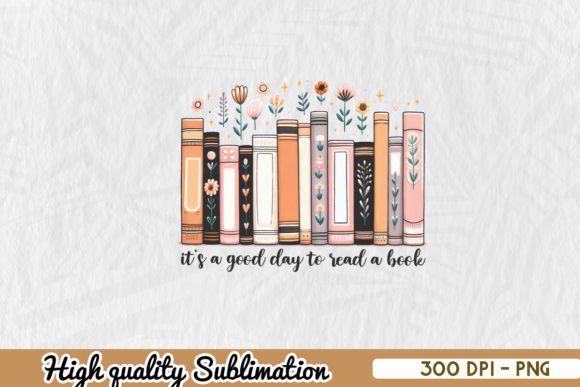
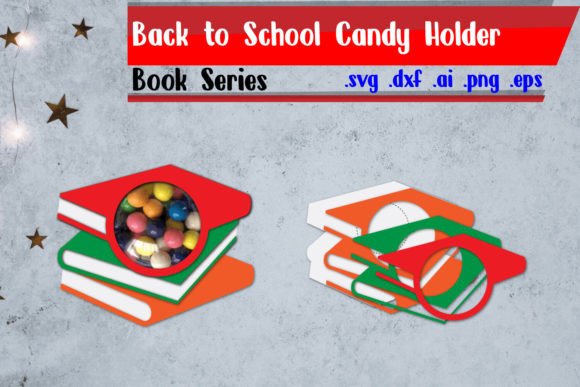
Upon opening the zip file containing the DXF, SVG, AI, EPS, and PNG formats, the immediate impression of this Graphics asset is one of nostalgic academic charm. The silhouette suggests a fusion of literature and confection, creating a visual pun that appeals strongly to teachers, librarians, and students. For an Etsy seller or craft business owner, this distinct personality is valuable. It avoids the generic "apple on a book" trope, offering instead something that feels curated and specific.
The layout appears balanced for center-chest placement or tote bag centrality. As a vector-based graphic, the lines are clean, which is promising for digitizing. However, because this is delivered as a graphic file rather than a pre-digitized embroidery file, the responsibility falls on the maker to determine stitch types. The shape lends itself beautifully to an applique design structure, where the main body could be a felt or cotton fill, outlined with a sturdy satin stitch. Alternatively, a full fill stitch approach would work for darker garments, though this increases stitch density significantly. The mood is playful yet structured, making it ideal for school candy holder projects intended as teacher appreciation gifts or back-to-school merchandise.
Real-World Application: The Teacher Tote Test
To truly evaluate this design, I mentally placed it in a real-life production scenario: creating a custom canvas tote bag design for a local school district fundraiser. In this context, the Book Candy Holder School Candy Holder needs to perform under scrutiny from parents and staff. Canvas is a forgiving fabric, but it has texture. If I were stitching this out, I would opt for a cutwork applique method using a coordinating plaid fabric for the "book" portion and a solid bright color for the "candy" element.
This combination adds tactile interest that flat embroidery cannot achieve. For a personalized gift, adding a teacher’s name beneath the motif in a simple running stitch font would anchor the design without competing with the complex graphic above. The versatility of having both vector (AI/EPS) and raster (PNG) files allows me to create accurate printable mockups for client approval before a single needle pierces fabric. This step is crucial for commercial embroidery workflows, as it manages expectations regarding color matching and scale. Seeing the design rendered in a mockup helps confirm that the proportions suit the vertical orientation of a tote bag versus the horizontal spread of a sweatshirt.
Navigating Fabric Limitations and Hoop Constraints
While the design is versatile, it demands respect for fabric physics. I would advise caution when applying this to stretchy knits like lightweight t-shirts or baby onesies. The concept of a "candy holder" implies visual weight; if the stitch density is too high on thin jersey, the fabric will pucker regardless of how much stabilizer you use. For baby embroidery or delicate apparel, consider reducing the size or converting heavy fill areas to lighter tatami stitches with increased spacing.
Textured fabrics like terry cloth tea towels or fleece blankets present another challenge. Fine details in the book spine or candy wrapper folds may get lost in the pile. In these cases, simplifying the design during the digitizing phase is necessary. Use a thicker running stitch outline or increase the column width of satin borders to ensure readability. Conversely, on smooth, tightly woven fabrics like poplin or quilting cotton, you can afford to include finer details. Always verify your hoop size capabilities before committing to a large format; this design likely requires at least a 5x7 hoop to maintain legibility and proportion, so check your machine’s maximum field size against the scaled artwork.
Commercial Viability and Brand Consistency
For small shop product lines, consistency builds trust. The Book Candy Holder School Candy Holder has strong branding potential for educational niches. However, visual appeal directly correlates to perceived value. A sloppy stitch-out on a premium item damages customer confidence. Because this product provides source graphics, you have total control over the final aesthetic. This is a double-edged sword; it offers freedom but requires skill.
If you are selling design assets or finished goods, ensure your interpretation aligns with your shop's style. Do you specialize in vintage aesthetics? Use muted thread colors and distressed applique fabrics. Is your brand modern and bold? Go for high-contrast neon threads and crisp vinyl appliqués. The provided PNG is excellent for listing photos and social media teasers, driving buyer engagement before the physical product is even made. Just remember to clarify licensing terms for your specific use case, as instant downloads vary in commercial rights. Confirming whether you can sell the digitized file itself versus only the physical embroidered item is essential for protecting your business.
Essential Pre-Stitch Checklist for Makers
Before loading this design into your machine for a final project, run through this practical checklist to avoid costly mistakes:
- Test on Scrap Fabric: Never stitch the final version first. Use a scrap of the exact material and stabilizer combination planned for the project to check tension and registration.
- Verify Thread Contrast: Check your chosen thread colors against the fabric in natural light. Dark thread on dark fabric hides detail; ensure sufficient contrast for the book and candy elements to read clearly.
- Assess Stabilizer Needs: For a structured item like a candy holder or tote, use a heavy cut-away or tear-away stabilizer. For apparel, a no-show mesh or poly-mesh prevents shadowing on light fabrics.
- Review Small Details: Inspect the vector nodes. Are there tiny gaps or overlapping lines that might cause needle breaks or thread bunches? Clean up the artwork in your embroidery software before generating stitches.
- Mockup Validation: Create a black and white version of the design to test value contrast. If the design looks muddy in grayscale, it needs more definition in color separation.
- Wash Test: If this is for a kitchen towel or child’s garment, wash and dry the test swatch. Applique edges can fray, and fill stitches can shrink. Adjust pull compensation based on post-wash results.
Final Thoughts on Design Utility
The Book Candy Holder School Candy Holder represents a charming opportunity for Crafts enthusiasts and professionals alike. Its success lies not in the digital file alone, but in the thoughtful execution by the embroiderer. By respecting fabric limitations, leveraging the vector formats for customization, and testing rigorously, this graphic can transform into a best-selling custom apparel line or a cherished holiday embroidery gift. Whether you are creating an embroidered patch for a backpack or a boutique sweater, treat this design as a foundation for creativity rather than a rigid template. Happy crafting, and may your tension always be perfect.